THE TOWER
Curated by Adam Liam Rose
September 12 - November 1, 2026
Opening Reception: Saturday, September 12 | 6:00 - 8:00pm
Ortega y Gasset Projects (OyG) is proud to present The Tower, a group exhibition curated by OyG co-director and artist, Adam Liam Rose. The exhibition spans OyG’s Main Gallery, Project Space, and The Skirt, our dedicated space for site-responsive installations. The opening reception will take place on Saturday, September 12th, 2026 from 6-8pm, and run through November 1st, 2026.
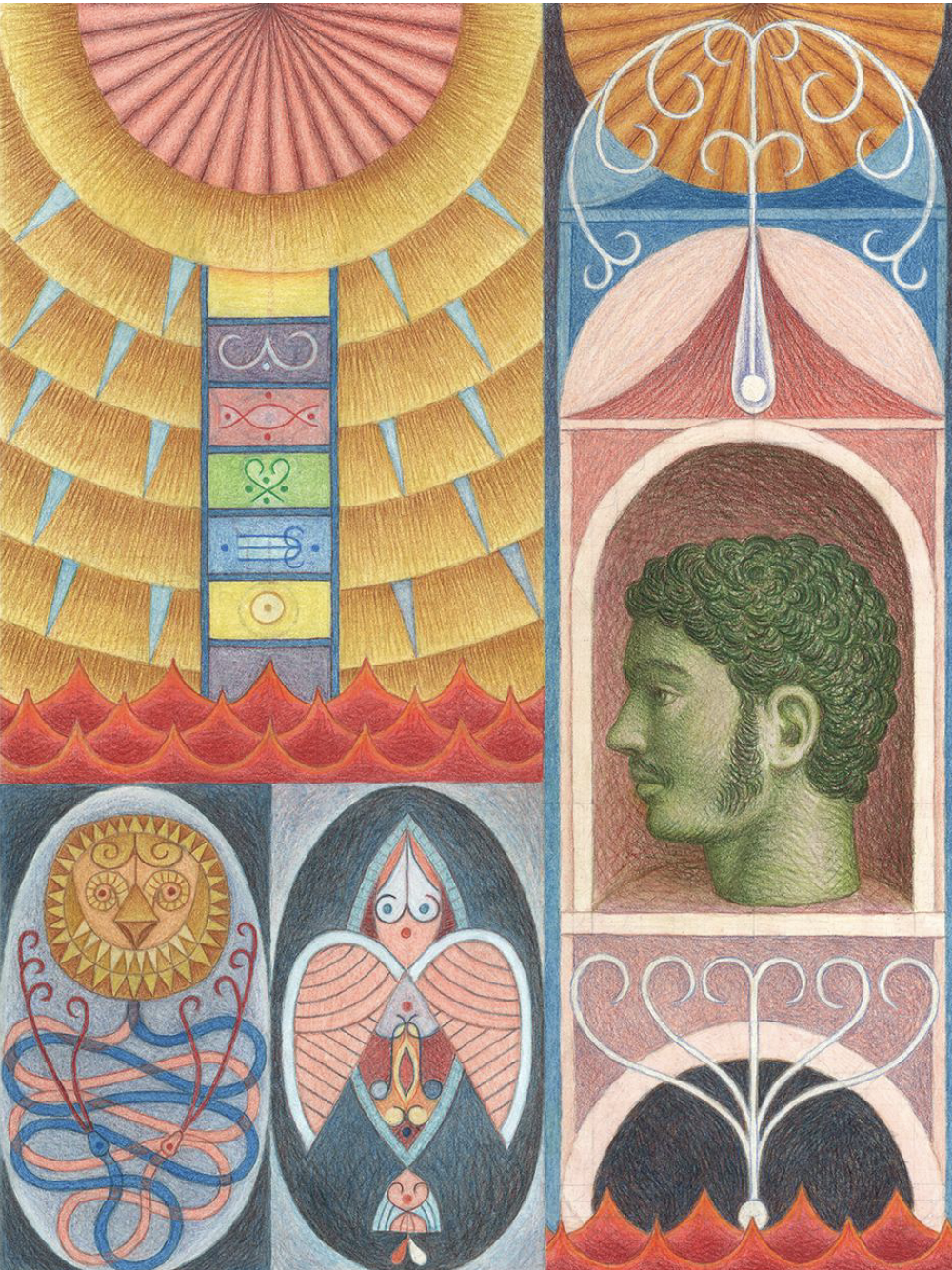
Elijah Burgher, The Suicide Tower (for Heliogabalus), 2026. colored pencil and watercolor on paper mounted to panel, 16 x 12 inches (30 x 40 cm) Courtesy of the Artist and P•P•O•W, New York.
The Tower brings together the work of artists exploring the various symbolic archetypes of the vertical structure, ranging from human aspiration toward the divine, to psychological connections with catastrophe. As a form, the tower carries the weight of historical and spiritual associations: it is the Tower of Babel, symbolizing ego and the friction of miscommunication; it is the sixteenth card of the Tarot, representing a moment of sudden upheaval, confusion, and extreme change; and it is the panopticon, taking on the form of a "godly" overseer—the all-seeing and unavoidable lens of modern surveillance. The tower is often associated with power and access, and several artists in the show examine and question how elevated vision may dictate authority and mobility. Beyond these traditional anchors, some artists focus on the structure’s intimate, queer, or positive associations, representing moments of clarity, "eureka!," transformation, and community resilience. Through painting, drawing, sculpture, textile, ceramic, performance, video and photography, artists in The Tower navigate these ideas through both abstraction and figuration, often leaning into surreal and metaphysical interpretations that transform architectural height into a vessel for human ambition and spiritual inquiry. From literal stone structures to psychological boundaries, the tower evokes our desire to transcend the earthly, and the simultaneous danger and freedom in forgetting our foundations.
Participating Artists: Tyler Akers, Amanda Ba, Elijah Burgher, Peter Cage & Nicholas Knight, Patrick Carroll, Kevin Cobb, Anthony Cudahy, Marc Armitano Domingo, Hank Ehrenfried, Edie Fake, Michael Cuadrado Gonzalez, Gordon Hall, Meredith James, Cindy Ji Hye Kim, Alli Lemon, André & Evan Lenox-Samour, Ian Lewandowski, Leeza Meksin, Nick Naber, Luke O’Halloran, Toyin Ojih Odutola, Tura Oliveira, Alina Perez, Alison Ruttan, Rachel Stern, and Sara Stern.
The exhibition is activated by a series of endurance performances by Peter Cage and collaborators. The artist will be plastic wrapped to a sculpture by Nicholas Knight on every Saturday of the exhibition. Please note these performances contain nudity. Performance dates: Opening Sept 12, 6-9pm, Sept 19, 4-6pm (substitute), Sept 26, 4-6pm, Oct 3, 4-6pm (substitute) Oct 10, 4-6pm, Oct 17, 4-6pm, Oct 24, 4-6pm (substitute), Oct 31, 4-6pm.
A digital catalog will accompany the exhibition, to be launched at a closing event in November. Contributors include Dr. Victoria Ferentinou, Assistant Professor at the University of Ioannina where she teaches art theory and history of art; New York based writer Paul Legault, who wrote a poetic "translation" and re-interpretation of W.B. Yeats The Tower; and an introductory essay by exhibition curator and OyG Co-director Adam Liam Rose. More information to follow.
Curator Bio:
Adam Liam Rose (b. 1990) is an artist and curator based in Brooklyn, NY. Rose’s art practice explores the visual language and architecture of “safety.” He was a fellow at the Bronx Museum of the Arts' AIM Program, The Drawing Center’s Viewing Program, and the Art & Law Program. Rose was awarded artist residencies at TNT Residency (Brooklyn, NY), the Lower East Side Printshop Keyholder Residency ( New York, NY), the International Studio & Curatorial Program (Brooklyn, NY), Fire Island Artist Residency (Fire Island, NY), Triangle Arts Association (Brooklyn, NY), Bemis Center for Contemporary Art (Omah, NE), Ox-Bow School of Art (Saugatuck, MI), A-Z West: Institute of Investigative Living (Joshua Tree, CA), the Vermont Studio Center (Johnson, VT) and the Chicago Artists Coalition's HATCH Residency (Chicago, IL). His publication 'Between the Bars' (Genderfail Press, 2021) is in the artist's book collection of MoMa Library, The School of the Art Institute of Chicago, PRATT Institute, and The Frick Fine Arts Library in Pittsburgh. Rose received a BFA from the School of the Art Institute of Chicago ('12) and an MFA from Columbia University School of the Arts (‘17). He has acted as a co-director at the artist-run gallery Ortega y Gasset Projects since 2019. There, he curated group and solo presentations including: “The Displaced Image,” featuring the works of Anthony Peyton Young, Felipe Baeza, Ilana Harris-Babou, Joeun Kim Aatchim, Peter LaBier, Phoebe Osborne and Tommy Coleman (2021); “The Mother of Sighs,” a solo exhibition by Robert Hickerson (2021); “Take Root in the Air,” a solo exhibition by Darryl DeAngelo Terrell (2023); and “Study for a Scene,” a solo exhibition by Sara Stern (2024), among others. He lives and works in Brooklyn, NY www.adamliamrose.com @adamliamrose
JOIN US for an afternoon of spiritual reading, art collecting, and celebrating together!
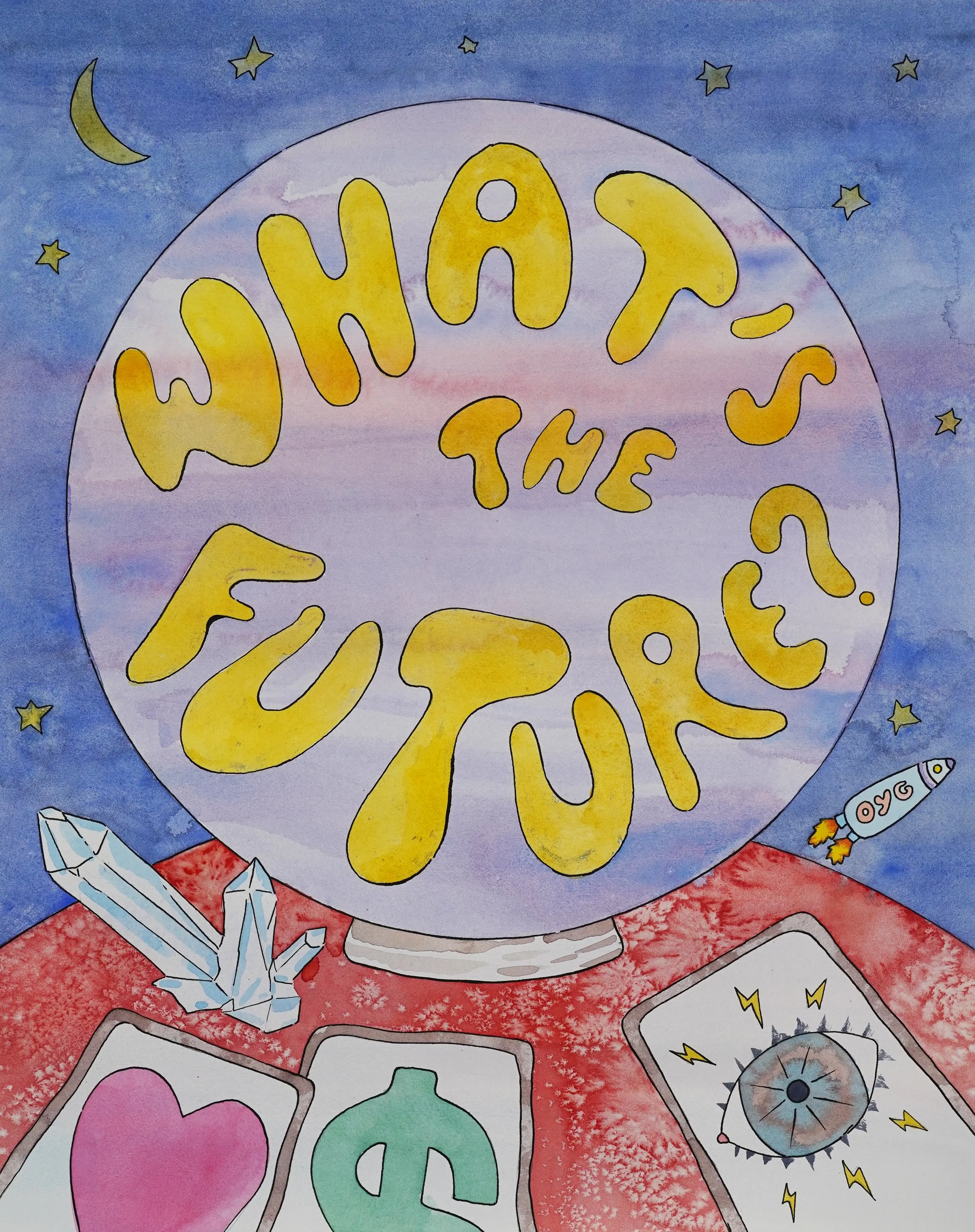
What's the Future?
OyG Projects Fundraiser and Art Raffle
Sunday, October 25, 2-5pm
BUY TICKETS HERE
Your purchase of a ticket to the event gets you:
admission to the event and refreshments
a raffle ticket to win 1 of 9 original artworks by an OyG Co-Director at the event (see list of artists below)
the opportunity to meet with a spiritual advisor at the event
a fabulous “Gourd Prize” for those who don’t win in the raffle
a memorable, mystical experience with your OyG community
Non-attending guests can support OyG from afar by purchasing a "Non-attending / Proxy" ticket and receive a raffle ticket to win an original artwork by an OyG Co-Director:
Adam Liam Rose
Annamariah Knox
Clare Britt
Eric Hibit
Lauren Whearty
Leeza Meksin
Nickola Pottinger
Xingze Li
Zahar Vaks
At OyG Projects, we’ve been thinking a lot about the future of our organization:
How do we sustain in a changing financial landscape?
OyG Projects is a non-profit 501(c)(3) organization. We are entirely artist-run. Our mission is to support under-represented, marginalized artists and emerging artists, provoke dialogue and bolster artistic community.
YOU are our community and we need your support to keep going!
*** art for raffle ***
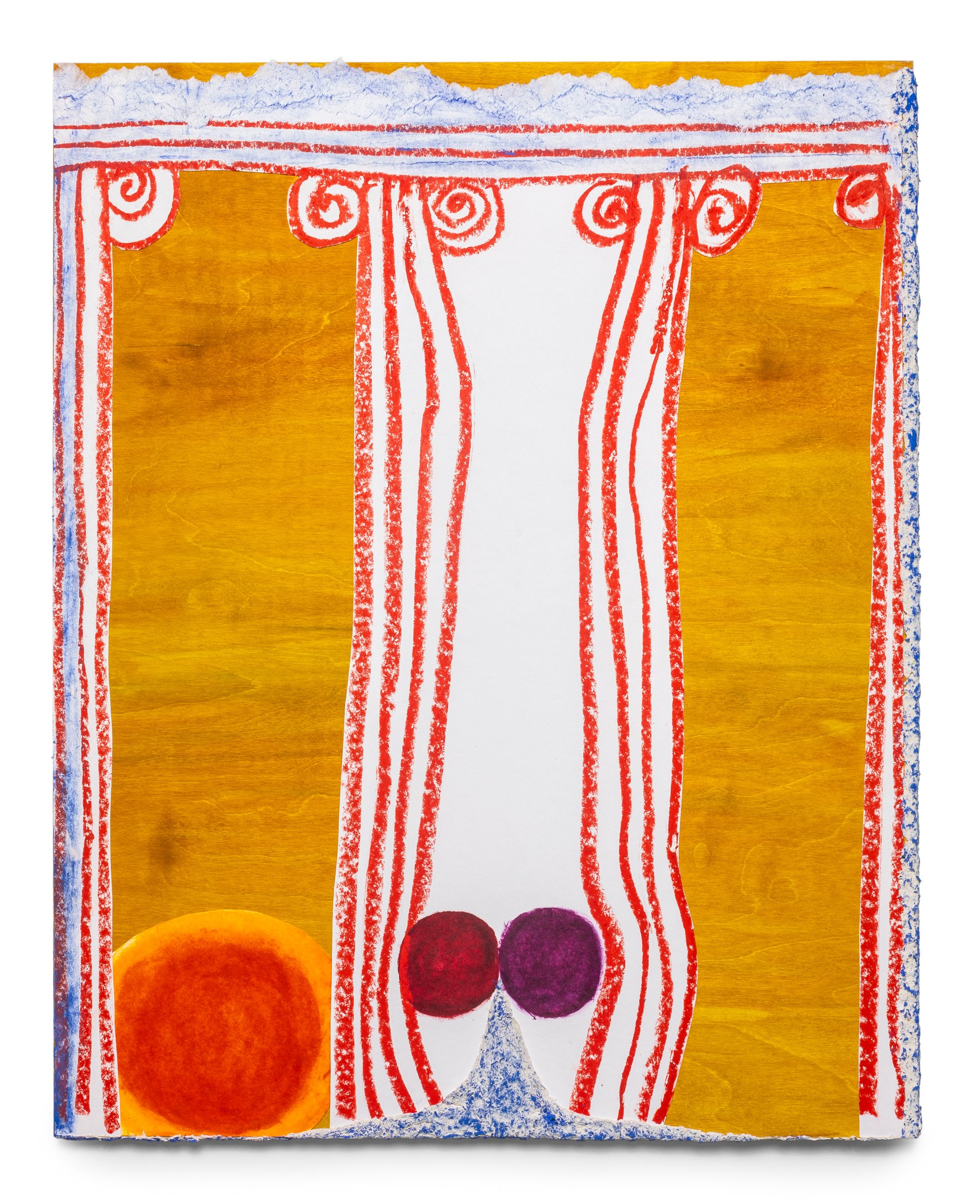
Leeza Meksin, Balls and Columns, 2021-2022Oil, oil stick, acrylic, blotting paper, and paper pulp on wood panel, 24 x 19 3/4
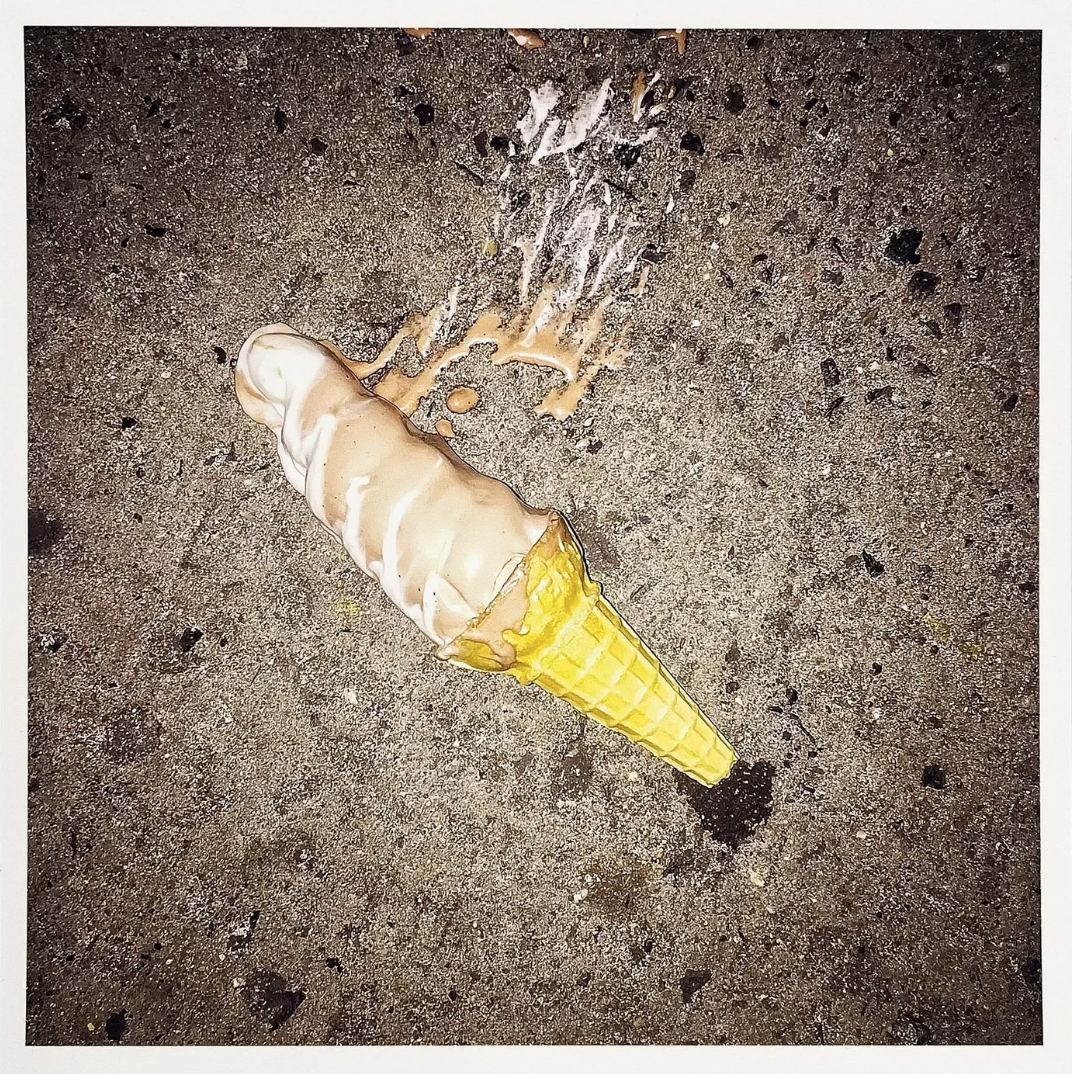
Clare Britt, Fallen Ice Cream Cone, 2022, photograph, 8 x 8"
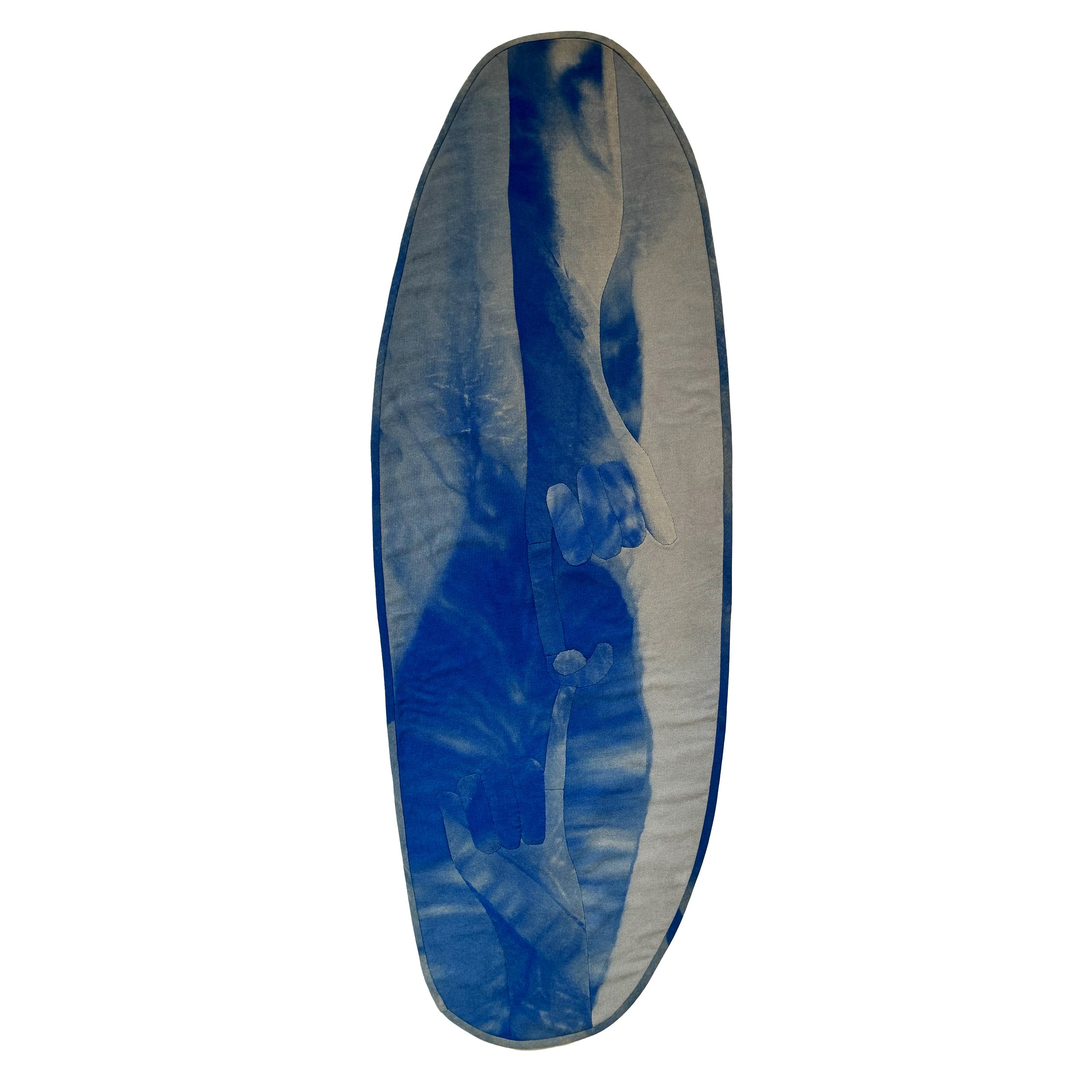
Annamariah Knox, Long Promise, 2026, bleached and dyed cotton, synthetic batting, hand stitching, 32" x 12".

Lauren Whearty, Pinecone Vase with Summer Flowers, 2025, Oil on linen, 12" x 16"
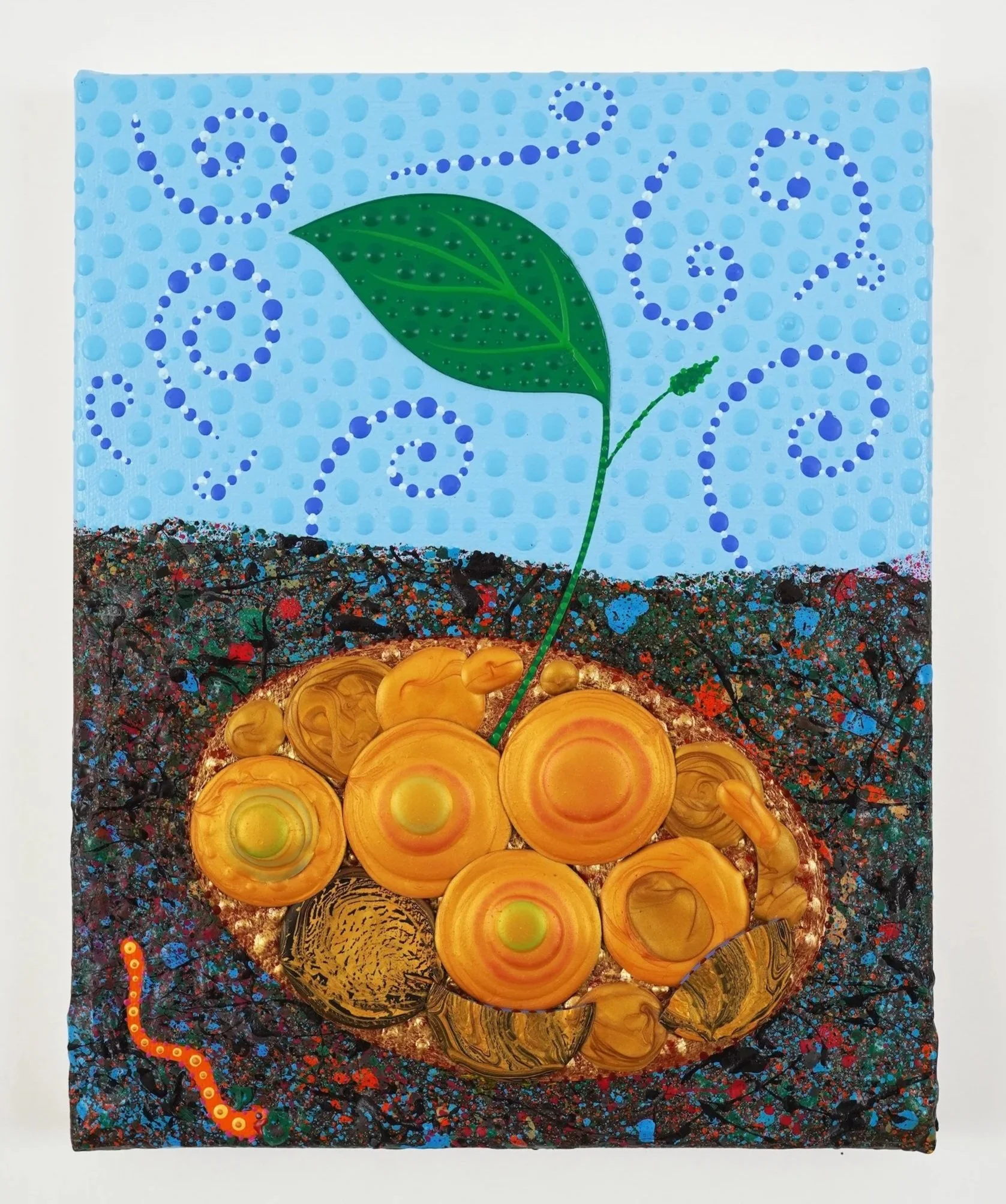
Eric Hibit, Gold Seed, 2023, Acrylic on canvas over panel, 10 x 8"
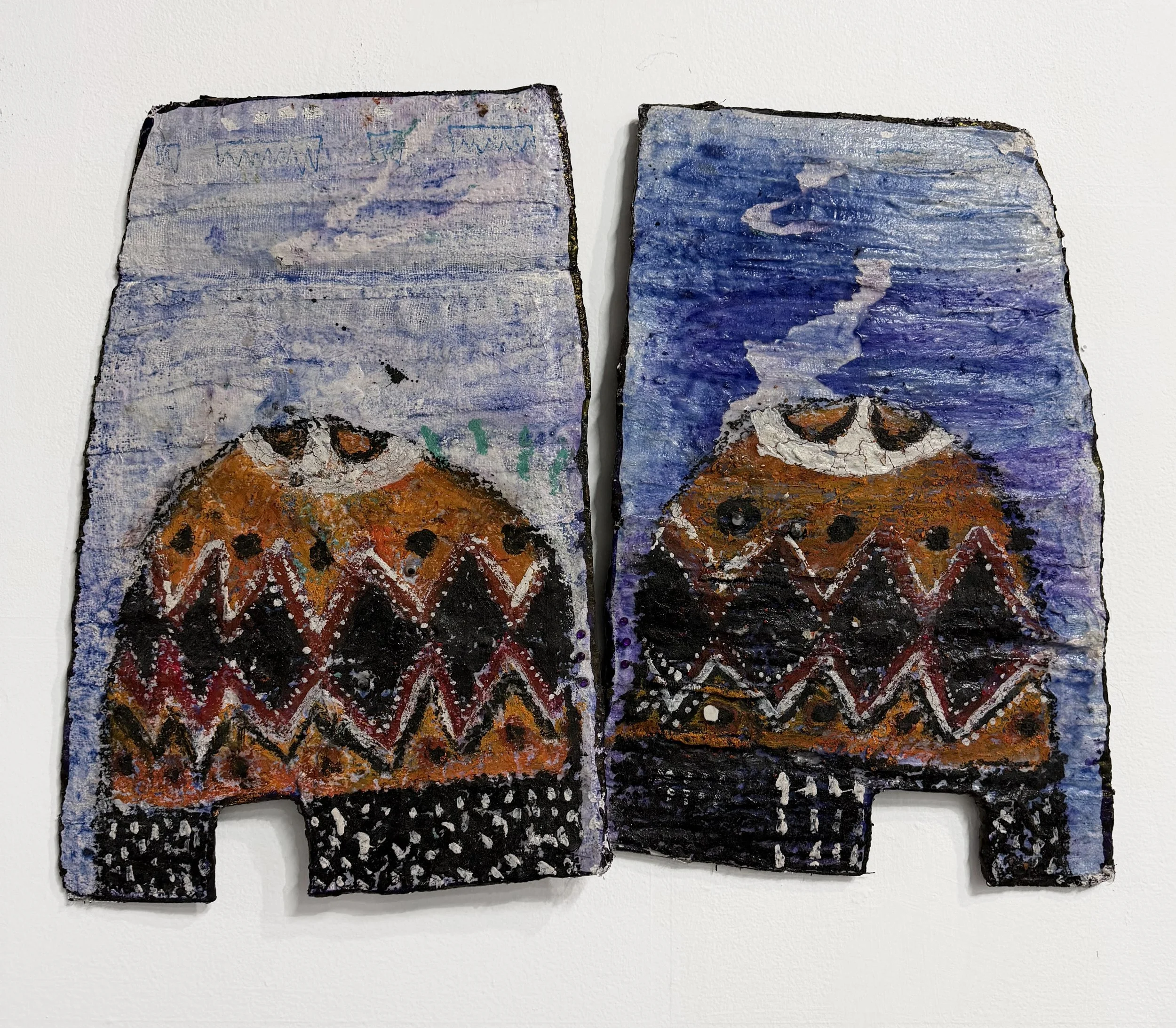
Nickola Pottinger, up, above the, 2026, Oil pastel and acrylic on cardboard, 18 x 24"
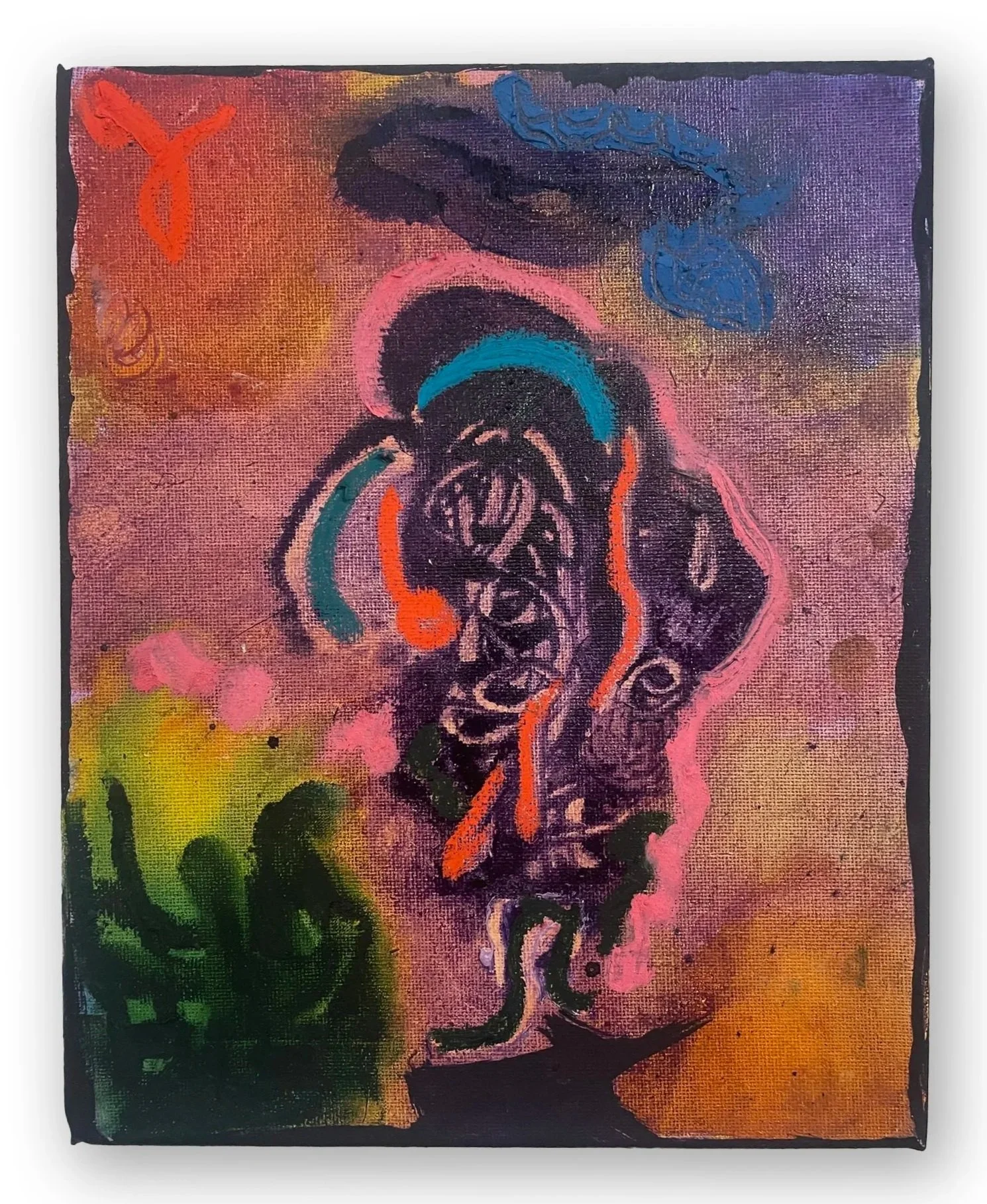
Zahar Vaks, Mirage Marauder, 2023, Oil on linen, 10 x 8"
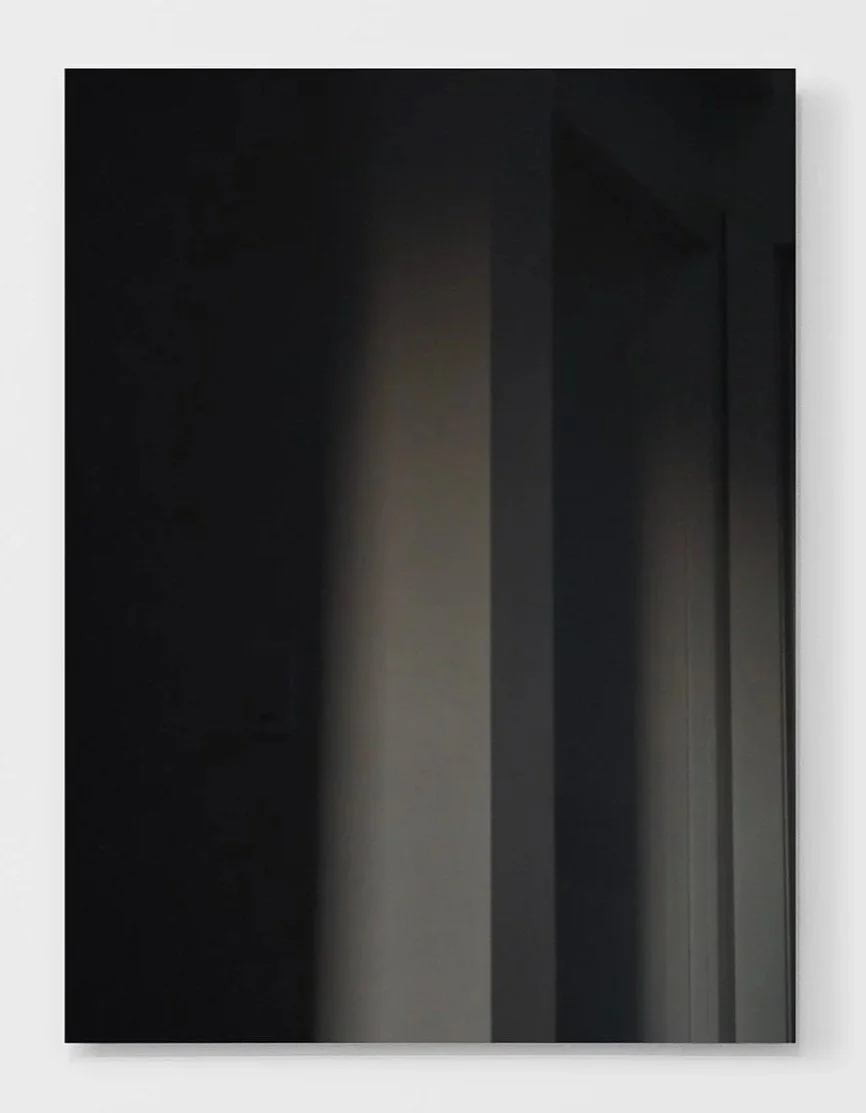
Xingze Li, Untitled (5 pm, two days before Spring Festival, 4A), 2025, Dye Sumblimation on aluminum, 12 x 9"
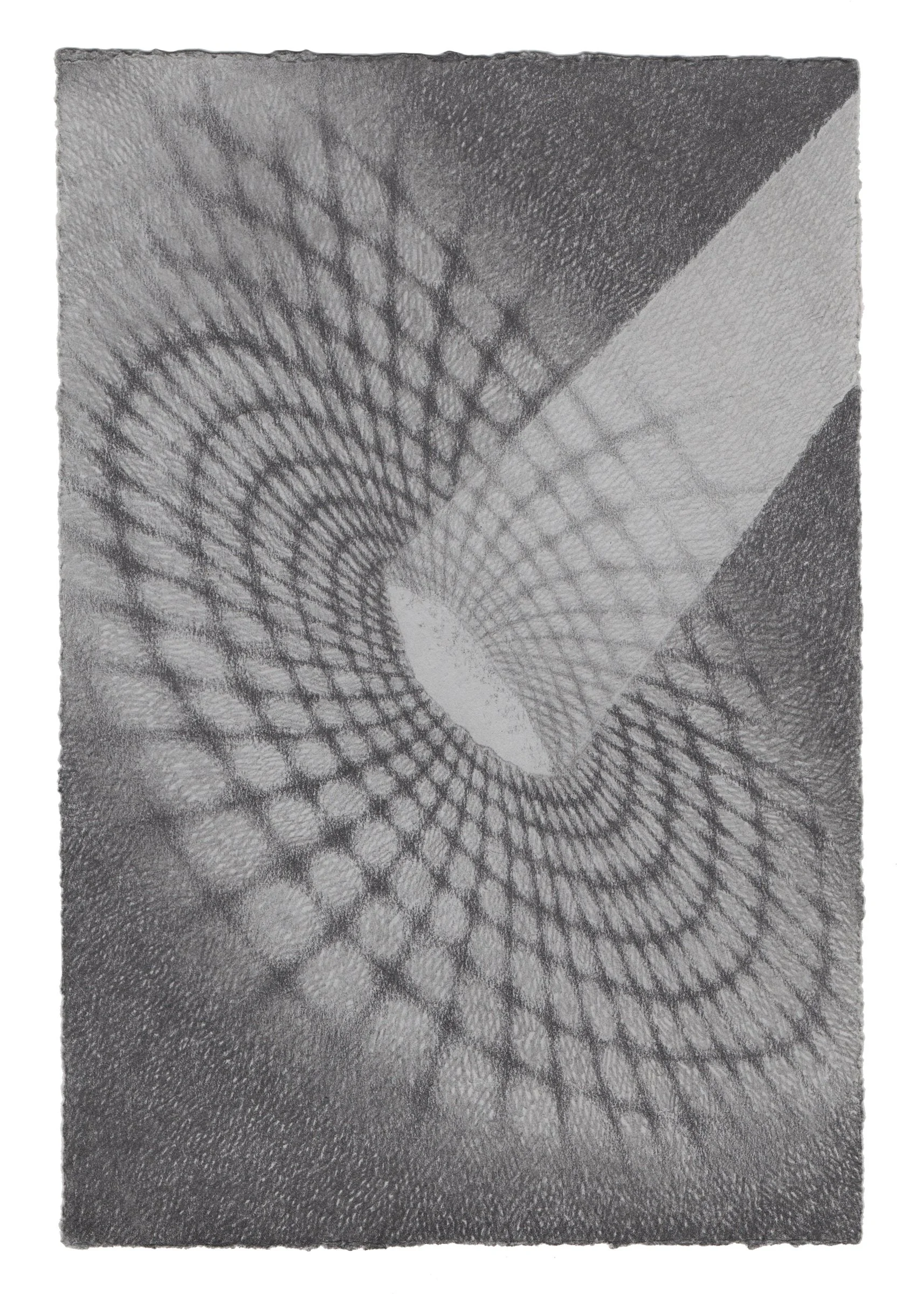
Adam Liam Rose, Stages of Fallout (Collision II), 2023, graphite on paper, 9.5 x 6.5"
How the raffle works
Available artworks are on view during the event in a side gallery at OyG Projects.
Upon ticket purchase, all ticket holders (both attending and non-attending) receive a ticket number (Click “view tickets” in the “Your Order” box on receipt to find ticket number; ticket number is visible above the QR code on the purchaser’s e-ticket).
The ticket number is the ticket holder’s raffle number.
All ticket sales close at 3pm on Sunday, October 25th.
At the scheduled event on Sunday, October 25, at around 3:30pm, the live raffle begins. Numbers are drawn at random. Ticket holders choose from the available artworks in the order numbers are drawn.
Non-attending ticket holders are assigned a proxy: a Co-Director present at the event who will choose on behalf of the ticket holder if their number is called in the raffle. Non-attending ticket holders may e-mail top three artwork choices to:
Subject line: Non-attending / Proxy
Choice 1: artist name
Choice 2: artist name
Choice 3: artist name
Every effort will be made to select artwork based on the top three choices. You may add more choices. However, we cannot guarantee an artwork selection. But we will try our hardest to match non-attendees with their top choices!
Non-attending ticket holders may opt NOT to pick top choices and enjoy the surprise!
Distribution of artwork
Attending ticket holders that win art in the raffle leave the event with the artwork. All artworks are manageable and can be carried and/or transparent in a normal sized car. Light packing is provided.
Non-attending ticket holders that win art in the raffle receive free packing and shipping, or hand-delivery within NYC. Later pick-up at OyG Projects is also available. Specific arrangements to be made after the event.
Odds of winning
Odds of winning an artwork by an OyG Co-Director depend on the total number of ticket sales. There are 40 maximum tickets available for in-person attendees. Non-attending tickets are unlimited. An example scenario: with 90 tickets total sold and 9 available artworks, each ticket holder has a 1 in 9 chance of winning an artwork.
Gourd Prize
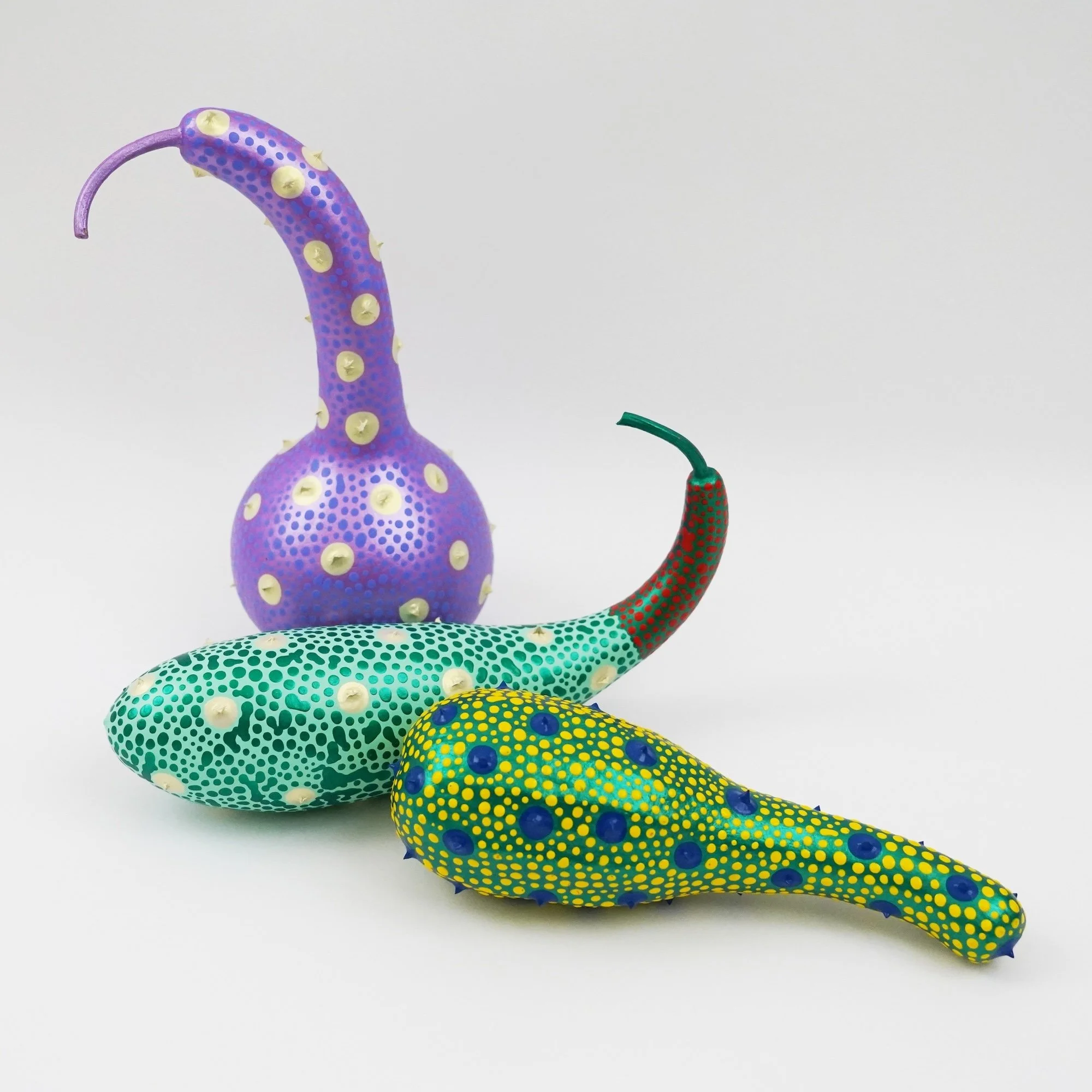
Hand-painted gourds by Eric Hibit
The Gourd Prize is awarded to all ticket holders who don’t win an artwork in the raffle. Each dried gourd is hand-painted by Co-Director Eric Hibit in his signature dot style. Due to their natural differences in size and shape, each gourd is unique!
Attending ticket holders leave with a gourd in hand.
Non-attending ticket holders receive free packing and shipping, or hand delivery within NYC. Later pick-up at OyG Projects is also available.
OyG Crystal Ball Patches
The first 30 ticket buyers receive an OyG Crystal Ball Patch. Add to your favorite ball cap, back pack, or anywhere you want to show your love for OyG!
Art direction by OyG Co-Director Clare Britt; adapted from an original design by Eric Hibit.
Spiritual reading at the event:
Anna Bella offers Intuitive Readings: a deep experience intended for self-discovery and spiritual exploration, where one can learn about their life purpose, past lifetimes, karmic lessons, who is waiting to say hello from the other side, and the deeper meaning behind present situations and relationships.
Julia Norton offers a spin on palm readings in the form of an intention-setting exercise aimed at reaching future goals. Inspired by a traditional fortune-telling technique and incorporating an art making element, we will create collaborative drawings with earth pigments that illustrate your personal life aspirations.
Annamariah Knox offers interpretive readings from The I Ching, the classic Chinese “book of changes”. The I Ching is based on 64 hexagrams (configurations of broken and unbroken lines) whose unique arrangement is associated with a particular circumstance, condition, or outcome.
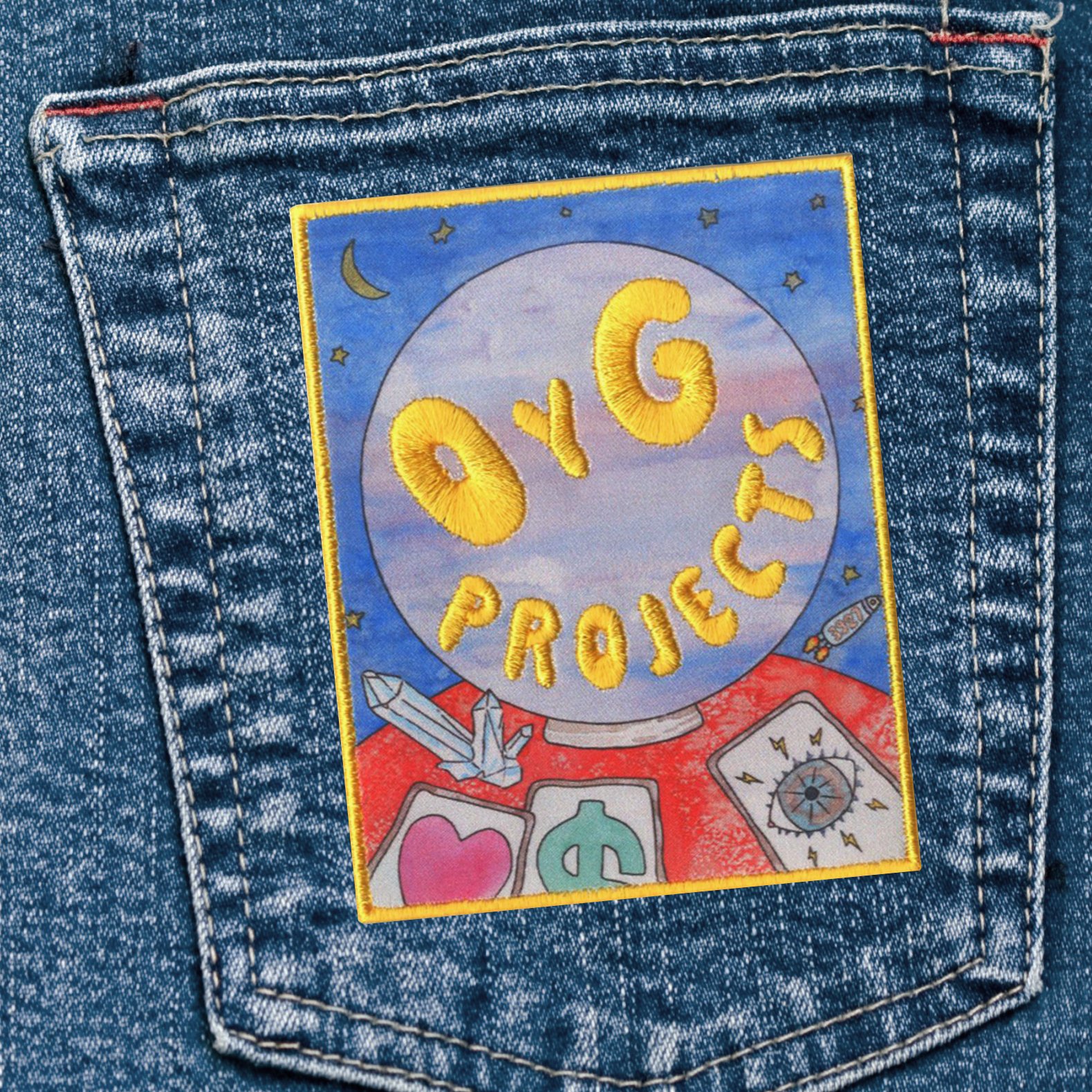
OyG Crystal Ball Patch by Clare Britt and Eric Hibit
Support the Future of OyG Projects with a Monthly Gift
Dear OyG Community,
Like many artist-run spaces, OyG Projects is navigating a challenging financial year. Since COVID, we've worked tirelessly to keep our doors open — drawing down our emergency reserves and steadily repaying an SBA loan that helped sustain us during the most uncertain times. While we’ve been fortunate to receive support in the past from grant makers, including the NEA, those sources are increasingly unpredictable in today’s rapidly shifting funding landscape.
Because of these challenges, we are currently faced with a $25,000 deficit for 2026. We must raise these funds in order to complete this year's programming, and to begin planning for our near future.
We are asking you to help sustain it
The most impactful way you can contribute is by becoming a monthly donor with a recurring gift of $5, $10, $25 or more a month.
We hope you will help us meet a tangible short-term goal:
75 monthly donors by the end of Summer.
We are reaching out at an important moment for OyG Projects to ask for your support. We did not receive a major recurring grant this year and are working to fill a significant gap in our budget as we work to sustain programming and grow to support artists.
Your donations help OyG Projects remain sustainable amid increasingly limited grant funding. Your consistent commitment and support help us develop effective budgets, and help to stabilize our finances in between grant periods.
If you choose to donate $10, $25, $50, $100 per month or more we will provide you with free applications to our annual solo show open call and our annual curatorial open call. We will also offer occasional discounts for future events.
We are so grateful for your support, and hope you will help us continue to provide the programming and opportunities that support artists and bring our community together.
OyG Projects is a 501c(3) nonprofit and your donation is tax deductible. Thank you for 13 years of OyGoodness!
OyG Projects
Clare Britt
Eric Hibit
Annamariah Knox
Xingze Li
Leeza Meksin
Nickola Pottinger
Adam Liam Rose
Zahar Vaks
Lauren Whearty
____________________________________________________________________________________________________________________________________________________________________________
Walls Wearing Worlds, a full color catalog is co-published by OyG Projects and Space Sisters Press with a curatorial essay by Eric Hibit and an interview with Jodi Hays and Leeza Meksin.

The Chicago Show:
Lynn Basa, Leslie Baum, Phyllis Bramson, Jason Branscum, Judith Brotman, Robert Burnier, Dee Clements, William Conger, Laura Davis, David Ese Gagoh, Diana Guerrero-Maciá, Steven Husby, Sam Jaffe, Kelly Kaczynski, Michael Kaysen, Anna Kunz, Olivia Schreiner, Joe Scott, Edra Soto, Shonna Pryor, Tony Tasset, Ann Toebbe, Selina Trepp, Nathan Vernau, Christine Wallers, Justin Witte
With an Installation in The Skirt by Rosalynn Gingerich
Curated by Clare Britt
with essay by Jessica Cochran